Mr, chat & veto2

Ceva & GRAM: Supporting Responsible Antimicrobial Use

Helping veterinarians make informed prescribing decisions through practical, evidence-based guidance.

Our Commitment

Supporting Responsible Antimicrobial Use

For more than a decade, Ceva has promoted the prudent use of veterinary antibiotics. By supporting accurate diagnosis and responsible prescribing, we aim to preserve antimicrobial effectiveness while ensuring optimal patient care.


Cartoon prescription

Why GRAM?

Practical factsheets
Simplified Guidelines
Vos derniers training picto
Expert Consensus
Practical factsheets
Designed for Practice

Need an answer in seconds?

AskGRAM delivers fast, targeted and reliable answers to antimicrobial prescribing questions, helping veterinarians make informed decisions during consultations.

Logo asK.Gram

Educating Pet Owners: What Every Pet Owner Needs to Know About Antibiotics

Veterinarians play an essential role in helping pet owners use antibiotics responsibly. Understanding when antibiotics are needed, how they should be administered and why treatment instructions must be followed can help improve outcomes while supporting antimicrobial stewardship.

Understanding Antibiotics for Your Pet

Antimicrobials are medicines used to treat infections caused by microorganisms, including bacteria. They help eliminate harmful microorganisms or prevent them from multiplying, allowing your pet to recover from infection.

Not all antimicrobials are the same, and they are only prescribed when appropriate. Your veterinarian will determine whether antimicrobial treatment is necessary based on your pet's condition and diagnostic findings.

Antimicrobials are prescribed when an infection caused by susceptible microorganisms is suspected or confirmed.

Examples may include certain skin, urinary, respiratory, wound or ear infections. However, not every illness requires antimicrobial treatment. In some cases, other approaches such as supportive care, monitoring or alternative therapies may be more appropriate.

Your veterinarian will recommend the most suitable treatment plan for your pet.

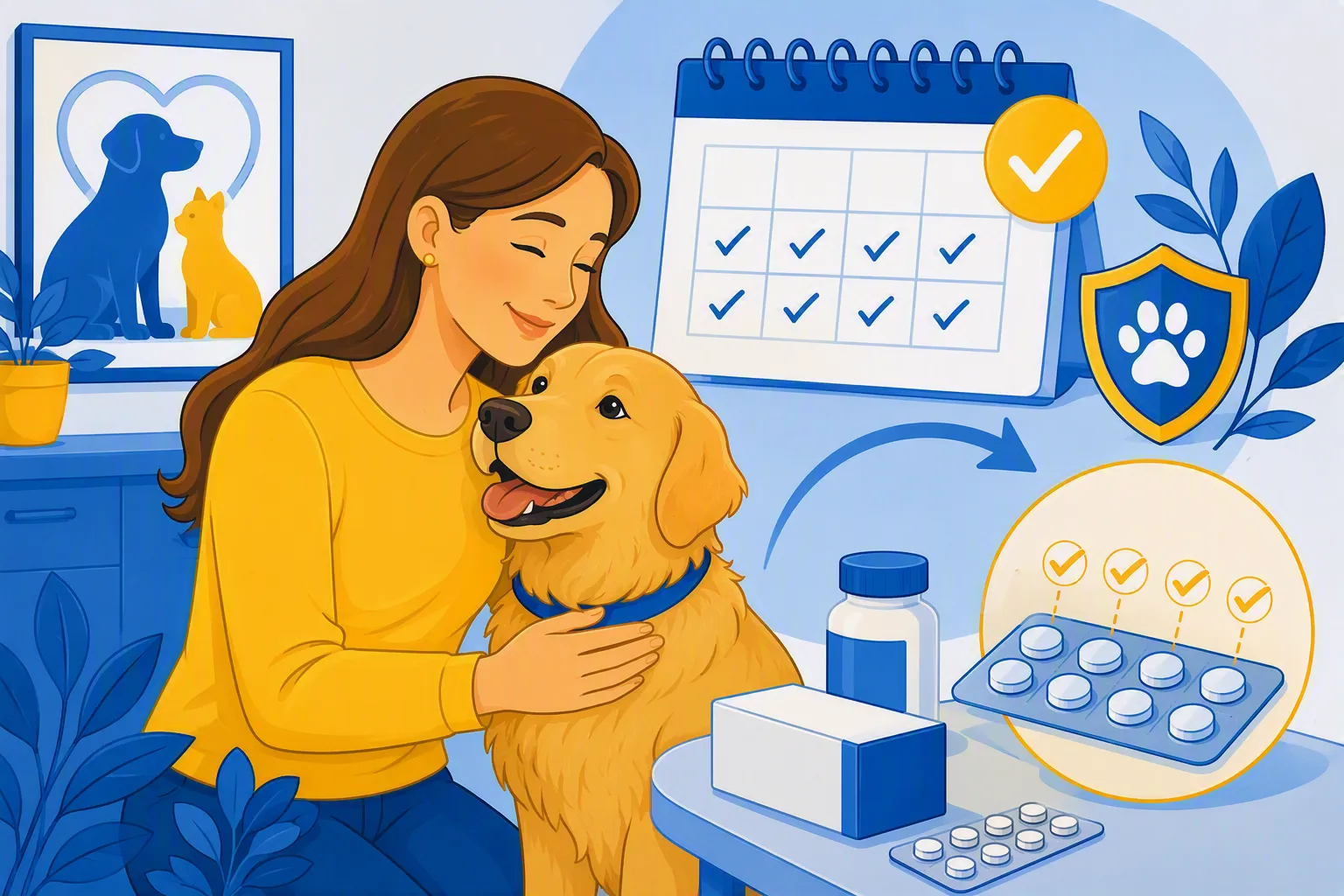
Even if your pet appears to feel better after a few days, the infection may not have been fully resolved.

Completing the treatment exactly as prescribed helps:

  • Ensure the infection is fully treated
  • Reduce the risk of recurrence
  • Support the responsible use of antimicrobials
  • Help limit the development of antimicrobial resistance

Never stop treatment early or change the dosage without consulting your veterinarian.

Misuse of antibiotics can lead to the emergence of bacteria that no longer respond to treatment. This makes future infections harder to treat and can have repercussions on both animal and human health.

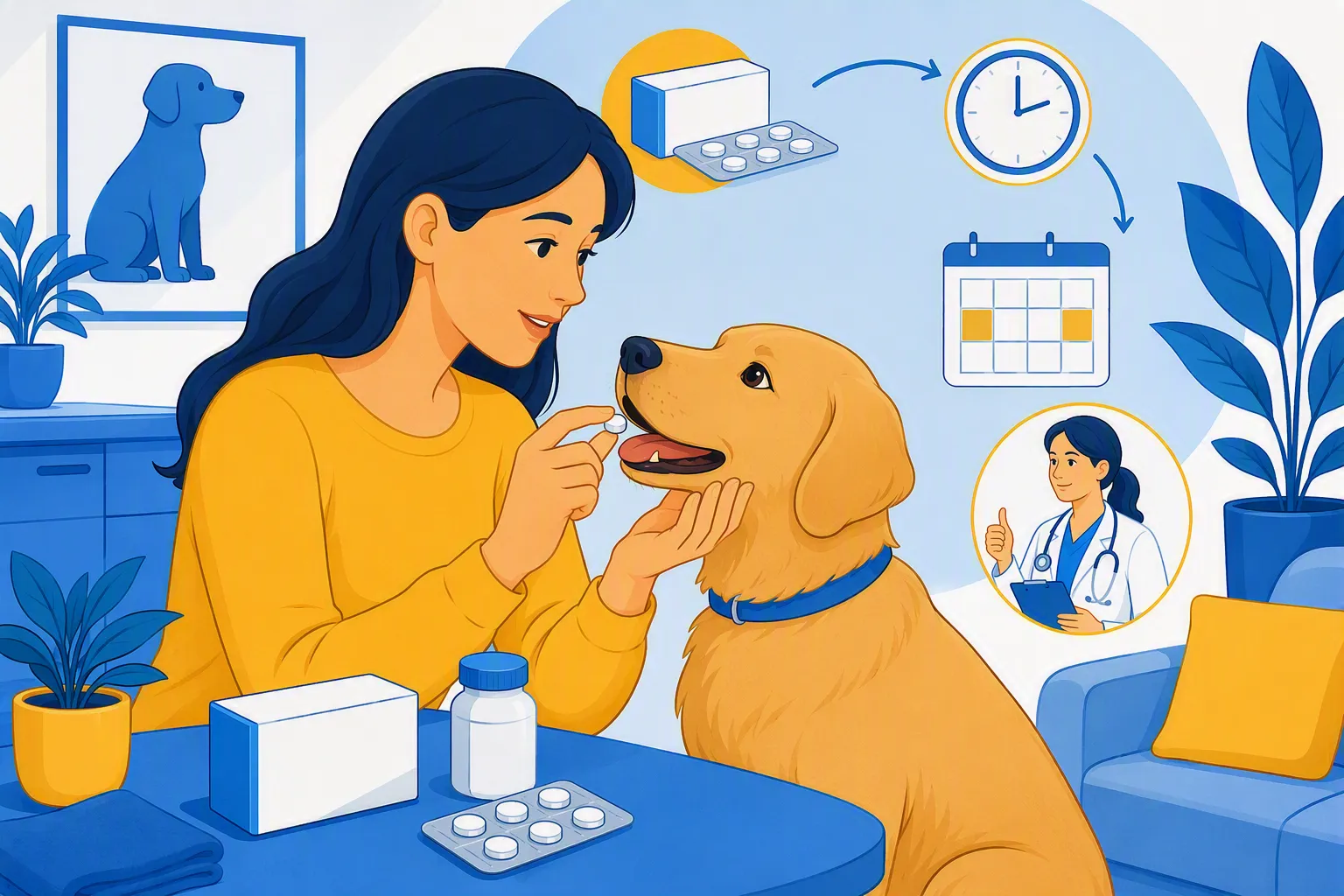
Follow your veterinarian's instructions carefully regarding dosage, frequency and duration of treatment.

Helpful tips:

  • Give the medication at the prescribed times.
  • Use the appropriate measuring device when required.
  • Do not adjust the dose without veterinary advice.
  • If a dose is missed, seek guidance from your veterinary team.

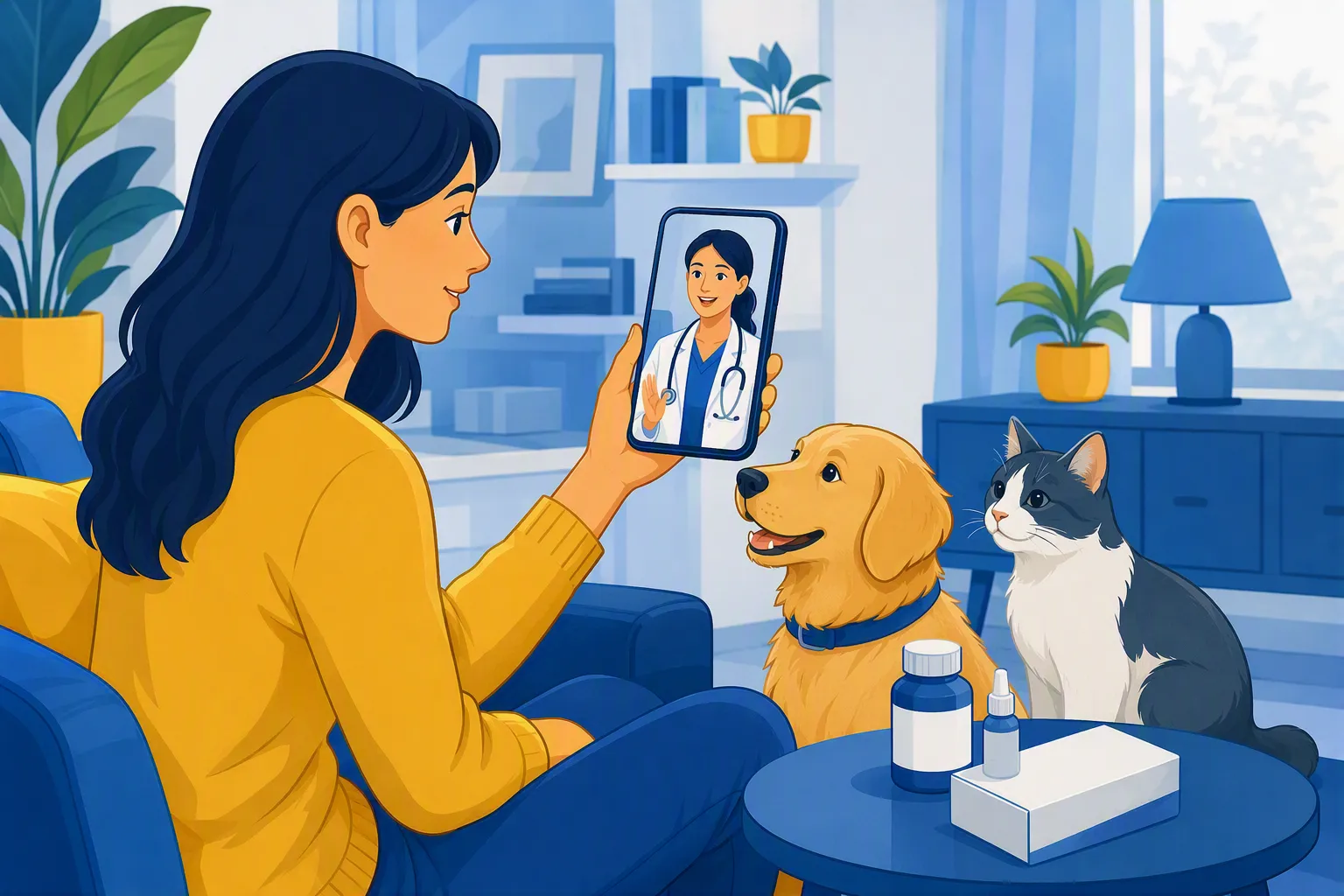
If you experience difficulties administering the medication, your veterinarian may be able to suggest alternative options.

Before leaving the clinic, make sure you understand:

  • How much medication to give
  • How often it should be administered
  • How long treatment should continue
  • Any storage requirements

Written instructions can help ensure treatment is administered correctly and consistently at home.

Do not hesitate to ask questions if anything is unclear.

Some infections require a follow-up examination to confirm that treatment has been successful.

A follow-up visit may allow your veterinarian to:

  • Assess your pet's recovery
  • Determine whether further treatment is necessary
  • Adjust the treatment plan if needed

Attending scheduled follow-up appointments is an important part of ensuring the best possible outcome for your pet and supporting effective antimicrobial stewardship.

As with any medication, antimicrobials may occasionally cause side effects.

Common side effects may include:

  • Reduced appetite
  • Vomiting
  • Diarrhoea
  • Mild digestive upset

If you notice any unexpected reactions or if your pet's condition worsens, contact your veterinarian promptly for advice.